
Baruntse Expedition Itinerary & Cost – 32 Days
Baruntse Expedition Itinerary & Cost – 32 Days


Trip Overview
Baruntse Expedition Trip Highlights
- Euphoric flights from Kathmandu to mountainous village of Lukla.
- This Baruntse expedition height of 7129 m has linked with Mt,Lhotse and Makalu.
- During mounting east of Mt,Everest, Edmund Hilary and his team searched out Baruntse peak.
- Hinku valley and Mera La is encountered on the way to Baruntse base camp.
- Precisely, expedition to Baruntse is demanding and one should have some climbing experience.
- In fact, mountaineers can get relish from both lodge and camping expedition of the far flung Himalayas.
- One can develop high altitude expedition inkling and competence.
- Mounting apparatus, boot, ice axes, crampons, helmets, harness, tying knot, handling rope, oxygen bottle and warm clothing are exceedingly imperative.
- One to one Mountain Sherpa climbing guide will give you a hand to navigate.
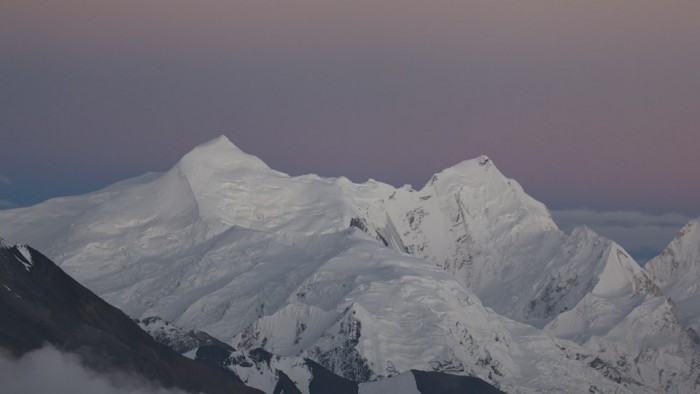
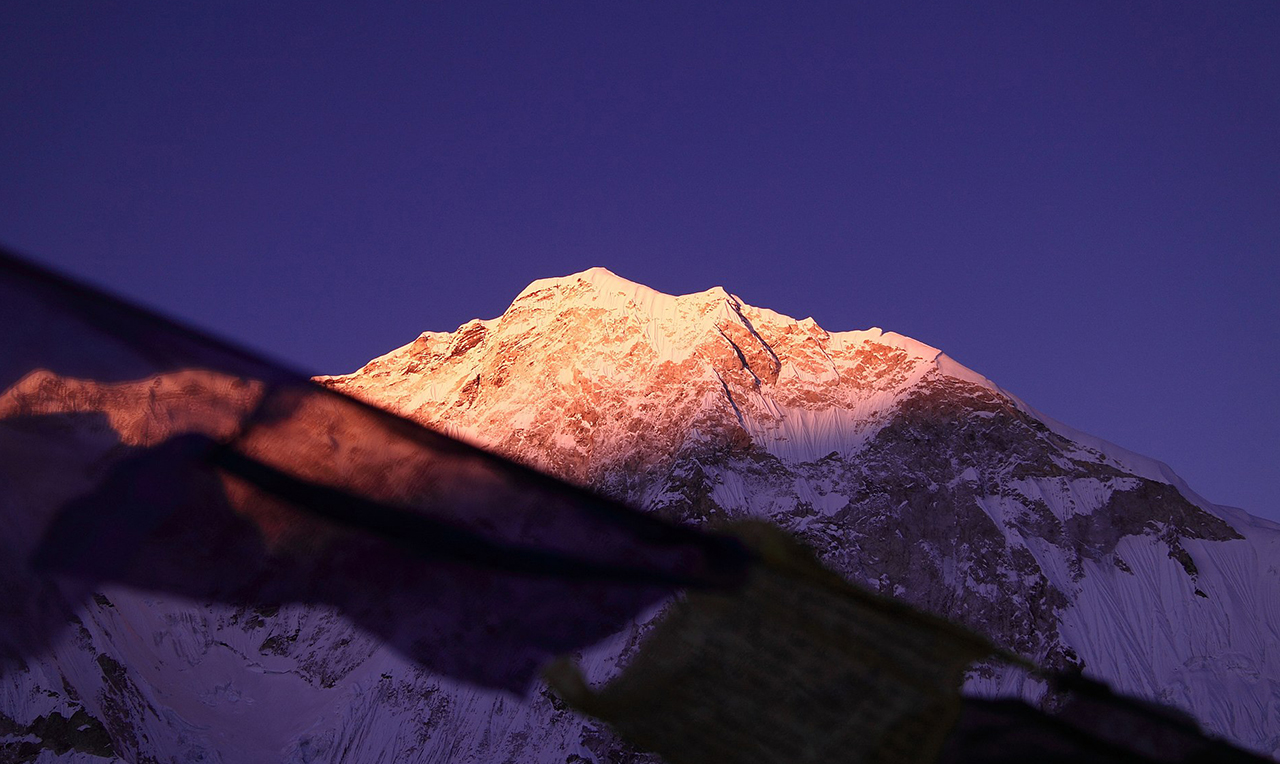
Baruntse Expedition (7129m) placed perfectly between Lhotse and Makalu at the epicenter of three wild and remote glacial valleys – Barun, Imja and the Hinku; Baruntse was one of the early Himalayan peaks discovered by Edmund Hillary’s team while ascending east of Everest. Despite being a 7000 meter mountain, Baruntse has various components of 8000 meter high peaks, proving to be an ideal training peak for higher ascends.
From the Baruntse base camp to the west Cole with its huge glacial plateau, everything will make your ascent exciting. Our Baruntse Expeditions approaches the pristine wilderness environment of Hinku valley and Mera La on the way to Baruntse.
Best Seasons for Baruntse Expedition
The best season for the Baruntse Expedition in Nepal is during spring (April–May) and autumn (September–November). These seasons provide stable weather, clearer skies, and better snow conditions for high-altitude climbing.
Spring is especially popular because temperatures are slightly warmer and snow conditions are ideal for summit attempts. Autumn offers excellent mountain visibility and crisp air after the monsoon season, making it another great time for mountaineering in the Everest region.
Winter expeditions are extremely cold with strong winds, while monsoon months bring heavy snowfall and unstable conditions, making climbing difficult and unsafe.
What Makes Baruntse Expedition Special?
- The Baruntse Expedition (7,129 m) is one of the most exciting mountaineering adventures in the Himalayas.
- Located between Mount Everest, Lhotse, and Makalu, the mountain provides breathtaking panoramic views of some of the world’s highest peaks.
- The expedition combines remote trekking through the beautiful Hinku Valley, glacier travel, and technical alpine climbing.
- Base camps, high camps, and summit pushes give climbers a real Himalayan adventure feel.
- Because it is less crowded than Everest or other popular peaks, Baruntse offers a more peaceful and authentic mountaineering experience in Nepal.
How Difficult is Baruntse Expedition?
The Baruntse Expedition difficulty level is considered challenging to highly technical because it involves climbing a 7,000-meter Himalayan peak. There are glaciers, steep snow slopes, and challenging ice portions on the Baruntse climb that need mountaineering abilities such using crampons, ice axes, and ropes.
The summit ridge has steep ice slopes and open ground, therefore only experienced climbers who have been over 6,000 meters before should try it. To reach the Baruntse peak, you need to be in good shape, have a lot of stamina, and know a lot about mountaineering.
Permits Required
Climbing Baruntse peak in Nepal requires several government permits and documentation. These include:
- Baruntse climbing permit issued by the Nepal Government
- Makalu Barun National Park entry permit
- TIMS (Trekkers Information Management System) card
- Expedition liaison officer and environmental fees
Most expedition companies like Skyline Treks arrange all necessary permits and documentation for climbers before the journey begins.
Safety and Precautions
Safety is crucial during a Baruntse expedition. Climbers must follow strict safety measures and rely on experienced guides and Sherpa climbers. Weather forecasts, fixed ropes, and adequate acclimatization schedules all assist lower the risks of climbing.
Important precautions include:
- Climb with a professional expedition team
- Use proper mountaineering equipment
- Check the weather every day
- Stay hydrated and eat well.
- Carry emergency medical supplies and oxygen
These safety measures significantly increase the chances of a successful and safe expedition.
Training and Preparation
Preparing for the Baruntse Expedition requires months of physical and technical training. Climbers should focus on endurance, strength, and mountaineering skills before attempting the expedition.
Recommended preparation includes:
- Cardiovascular training such as running, cycling, or hiking
- Working out your legs and core muscles using weights
- Practice climbing with ice axes and crampons
- High-altitude trekking or peak climbing experience
- Mental preparation for extreme environments
Most climbers attempt smaller peaks like Mera Peak or Island Peak before climbing Baruntse.
Mountain Views
One of the biggest highlights of the Baruntse Expedition is the extraordinary Himalayan scenery. From the summit and high camps, climbers enjoy spectacular views of some of the highest mountains on Earth.
Major peaks visible include:
- Mount Everest (8,848 m)
- Mount Lhotse (8,516 m)
- Mount Makalu (8,481 m)
- Cho Oyu (8,201 m)
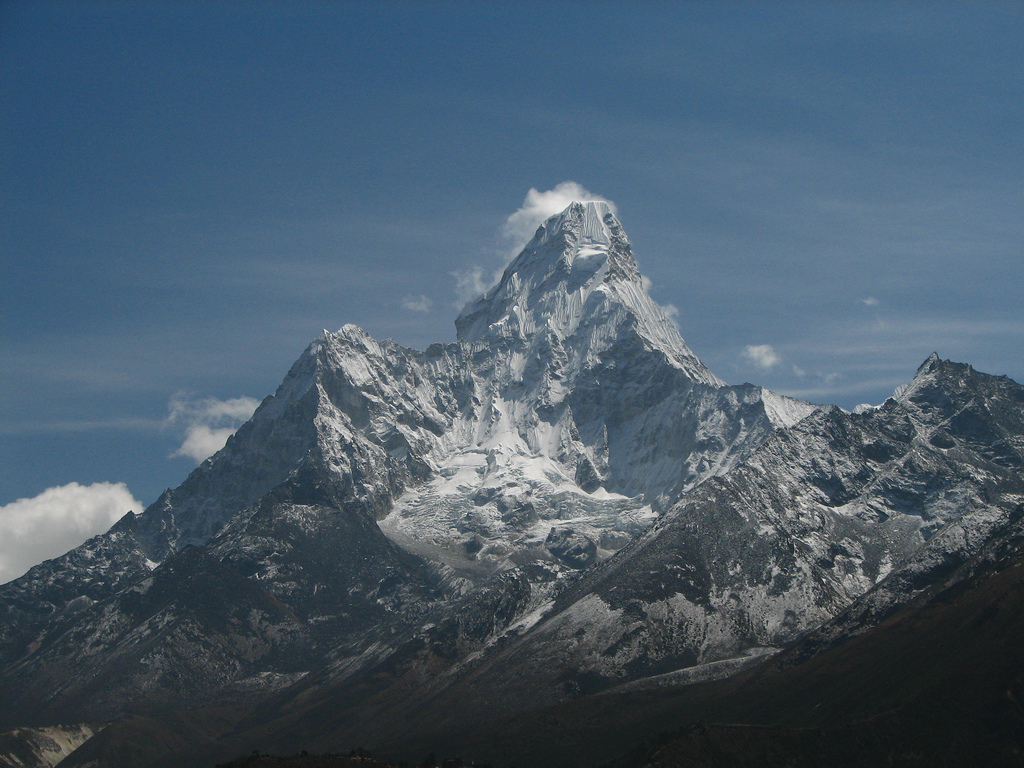
- Ama Dablam and surrounding Himalayan ranges
The panoramic views from the summit of Baruntse are among the most rewarding sights in the Himalayas.
Altitude Sickness and Prevention
Altitude sickness is a serious concern during the Baruntse Expedition because climbers spend long periods above 5,000 meters. Proper acclimatization and monitoring are essential to avoid altitude-related illnesses.
Prevention tips include:
- Gradual ascent and acclimatization days
- Getting enough water and staying hydrated
- Not drinking or smoking
- Eating healthy foods
- Recognizing early signs like headaches or nausea
The best way to manage altitude sickness is to get down right away if your symptoms get worse.
What to Expect During Baruntse Expedition
During the expedition climbers begin with a scenic flight to Lukla followed by trekking through remote valleys and traditional Sherpa villages. The journey goes through alpine woods, glaciers, and rocky mountain scenery before getting to Baruntse Base Camp.
From base camp, climbers establish several higher camps and gradually acclimatize before making a summit attempt. The expedition offers a true high-altitude mountaineering experience that includes teamwork, endurance, and incredible Himalayan scenery.
Why Choose Skyline Treks for Baruntse Expedition
Skyline Treks is a reputable trekking and mountaineering company in Nepal with experienced guides and Sherpa climbers. Our team provides professional expedition planning, safety management, and logistical support throughout the journey.
Benefits of choosing Skyline Treks include:
- Experienced climbing guides and Sherpas
- Reliable logistics and equipment support
- Well-planned acclimatization schedules
- Personalized top notch service and small expedition groups
- A long history of safety and success on Himalayan excursions
Things You Should Know
Before joining the Baruntse Expedition, climbers should be aware of the challenges and logistics involved.
Key things to know:
- It is strongly suggested if you have climbed mountains before.
- The weather in the Himalayas can change quickly.
- Expedition duration usually lasts around 30 days
- Climbers must carry personal climbing equipment
- Travel insurance covering high-altitude rescue is mandatory
Understanding these factors helps climbers prepare for the expedition.
Is Baruntse Expedition for Me?
This expedition is suitable for experienced climbers seeking to summit a challenging 7,000-meter Himalayan peak. This is great for climbers who have already climbed peaks over 6,000 meters and want to get some practice before trying to climb 8,000-meter summits like Everest or Makalu.
If you enjoy remote wilderness, technical climbing, and extreme adventure, this expedition can be one of the most rewarding experiences in Nepal for you.
Meals & Accommodation
During the expedition, accommodation varies depending on altitude.
- Teahouses and lodges during the trekking phase
- Tented camps at Base Camp and higher camps
Meals usually consist of healthy, high-energy foods including rice, pasta, soups, veggies, and protein-rich meals. At higher camps, climbers consume lightweight expedition food designed for high-altitude performance.
Plan Your Baruntse Expedition
Planning a Baruntse Expedition in Nepal requires careful preparation and logistics. Climbers should book with a reputable expedition company, train physically, and gather all required equipment well in advance.
Important planning steps include:
- Selecting the best climbing season
- Arranging permits and logistics
- Preparing climbing gear and equipment
- Obtaining travel insurance
- Participating in pre-expedition training
Proper planning increases safety and success rates during the expedition.
Why Choose Baruntse Expedition
The expedition is perfect for climbers who want to experience a challenging Himalayan climb without the extreme risks of 8,000-meter peaks. The mountain offers a combination of adventure, technical climbing, and breathtaking scenery.
Because it is less crowded than Everest, climbers can enjoy a more authentic expedition atmosphere while still gaining valuable experience for future high-altitude climbs.
Packing List, Gears, and Equipments
Clothing
- Down jacket and insulated layers
- Waterproof shell jacket and pants
- Thermal base layers
- Gloves, hats, and neck gaiter
Climbing Equipment
- Mountaineering boots
- Crampons and ice axe
- Harness and helmet
- Ascender, descender, and carabiners
Camping & Personal Items
- Sleeping bag (-20°C or lower)
- Headlamp with spare batteries
- Trekking poles
- Water bottles and hydration system
Health & Safety
- Personal first-aid kit
- Sunscreen and sunglasses
- Altitude medication
- Energy bars and snacks.
Baruntse Expedition cost for 2026 and 2027
The cost for the Baruntse Expedition varies depending on the number of people in the group. Here’s a breakdown:
| Number of Pax | Cost per Person (USD) |
|---|---|
| 1 | $16900 |
| 2 | $16500 |
| 3 to 6 | $16000 |
| 7 to 10 | $15500 |
| 11+ | $15000 |
The Baruntse expedition is a fantastic opportunity for those with previous experience of climbing in the Greater Ranges to take part in a full-blown expedition to a significant Baruntse peak. However, before setting you up for an expedition to Baruntse, it’s important for us to gain a full understanding of your body’s response to altitude and help you gain experience with Himalayan conditions. That’s why we highly recommend you to join our preparatory programs of mountaineering, which is conducted in other mountains a bit easier to attempt.
If you have any confusion or questions on the expedition, then please feel free to contact us for more details. Our team of mountaineering experts will try the level best to discuss your queries.
Baruntse expedition itinerary
Day 01: Briefing in Tourism Ministry
Day 02: Fly to Lukla 2800 M.– Chutanga 3100 M. –Lodge
Day 03: Chutanga Zatra La 4600 M. – Chatrarbu (Thuli Khark)- Lodge
Day 04: Chatrarbu (Thuli Khark) – Kothey 3090m.
Day 05: Kothey – Thangnak 4355 M – Lodge
Day 06: Thangnak – Khare – Lodge
Day 07: Khare – Mera BC – Camping
Day 08: Mera BC 5415m.– Seto Pokhari -Camping.
Day 09: Seto Pokhari – Baruntse Base camp 5400m.- Camping
Day 10 – 26: Climbing period of Mt. Baruntse 7129m
Day 27: Baruntse BC – Setopokhari -Camping
Day 28: Setopokhari – Mera La – Khare – Lodge
Day 29: Khare to Kothey – Lodge
Day 30: Kothey to Chutanga – Lodge
Day 31: Chutanga to Lukla – Lodge
Day 32: Fly to Kathmandu & transfer to hotel
Itinerary
Briefing in Tourism Ministry
The Baruntse Expedition officially begins with a mandatory briefing at the Nepal Tourism Board or the Department of Tourism in Kathmandu. During this session, climbers and expedition leaders attend a formal orientation where government officials review expedition rules, safety regulations, environmental guidelines, and permit documentation. This briefing makes sure that everyone on the team knows the rules and obligations that come with climbing high Himalayan peaks in Nepal.
The meeting also provides an opportunity for climbers to verify their expedition permits, meet liaison officers assigned by the government, and discuss logistical arrangements for the upcoming journey. Skyline Treks and Expedition guides help with all the paperwork, making sure everything goes well and quickly.
After the briefing, the team usually spends the rest of the day preparing equipment, checking climbing gear, and finalizing packing before departing for the expedition route the following day.
Fly to Lukla 2800 M.– Chutanga
Your adventure begins with an exciting mountain flight from Kathmandu to Lukla, one of the most famous high-altitude airstrips in the Himalayas. The scenic flight offers spectacular aerial views of snow-capped peaks, deep valleys, and remote Himalayan landscapes. When we land at Lukla, the entrance to the Everest region, we meet the trekking crew and start our walk to Chutanga.
The trail gradually ascends through beautiful rhododendron forests, pine trees, and traditional Sherpa settlements. Along the way, we enjoy peaceful mountain scenery and fresh Himalayan air while acclimatizing to the increasing altitude. The path is less busy and calmer than the main Everest Base Camp route, which makes the trip more peaceful.
After several hours of trekking, we will arrive at Chutanga, a small settlement surrounded by forested hills and mountain views. We will spent the night at a nearby lodge, where we will eat a warm supper and get ready for the next day’s walk deeper into the Himalayan wilderness.
Chutanga Zatra La 4600 M. - Chatrarbu
Today is one of the more challenging yet rewarding days of the trek as you cross the high Zatra La Pass. The trail goes up steadily from Chutanga through rocky trails and alpine scenery until it reaches the pass. As we go higher, the forest slowly fades away and the view opens up to the stunning Himalayan landscape, which has extensive mountain views.
Reaching Zatra La Pass at about 4,600 meters offers spectacular views of towering peaks in the Everest region, including distant glimpses of Mount Everest, Lhotse, and other surrounding Himalayan giants. After enjoying the breathtaking views and taking photographs, the trail descends gradually along rocky slopes toward Chatrarbu (also known as Thuli Kharka).
Chatrarbu is a peaceful grazing area surrounded by open hills and high mountain scenery. When we get there, we stay in a nice lodge, eat a warm meal, and unwind after a long but fun day of trekking in the Everest region.
Chatrarbu (Thuli Khark) – Kothey
Today’s trek descends from the high grazing lands of Chatrarbu into the beautiful and remote Hinku Valley, following a scenic trail through alpine meadows and dense rhododendron and pine forests. The route gradually drops in altitude, making the trek relatively comfortable while offering stunning views of surrounding hills and distant snow-covered peaks.
The path winds along forested ridges and eventually reaches the banks of the Hinku River. As we continue the journey, you may encounter yak pastures, small seasonal herder settlements, and peaceful Himalayan landscapes. The trail becomes more tranquil compared to the busy Everest Base Camp routes, giving trekkers a sense of true wilderness and remoteness.
After several hours of trekking, we will arrive at the small settlement of Kothe, located beside the Hinku River. This quiet village serves as an important resting point for trekkers heading toward higher mountains in the region. Overnight stay will be at a local lodge where you can relax, enjoy warm meals, and prepare for the next stage of the expedition.
Kothey – Thangnak
On Day 5, the trek continues deeper into the remote Hinku Valley, following a scenic trail alongside the rushing Hinku River. The trail slowly climbs through rocky ground, yak pastures, and alpine woods, giving you better and better vistas of the Himalayan peaks around you. The higher you go, the more rough and glacial the scenery becomes, giving you a real high-mountain walking experience.
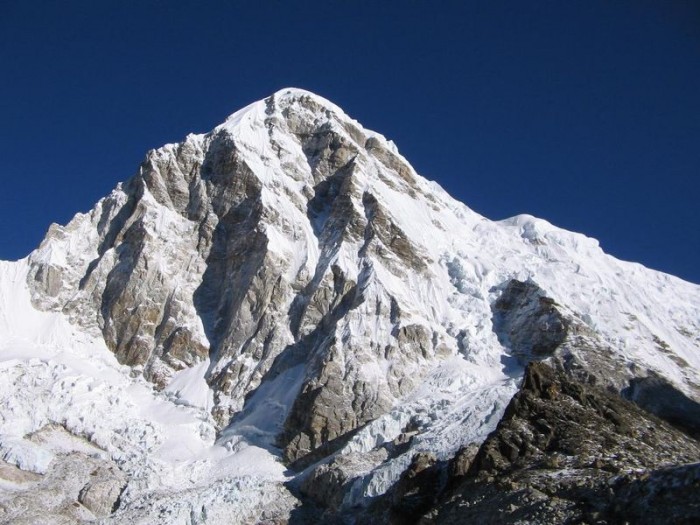
Along the route, we pass small seasonal settlements and traditional yak grazing areas used by local herders. The trail also provides glimpses of beautiful snow-capped mountains such as Mera Peak and other surrounding Himalayan ranges. In the Hinku Valley, where there are less people, we can completely experience the area’s natural beauty and serenity.
After several hours of gradual ascent, we arrive at Thangnak, a small high-altitude settlement surrounded by rocky ridges and glaciers. Overnight accommodation will be at a local lodge where we can rest, acclimatize, and prepare for the next stage of the journey toward higher elevations.
Thangnak – Khare
Today, the trek takes us further up the Hinku Valley toward the high-altitude settlement of Khare, a crucial stop for climbers heading to Baruntse Base Camp. The trail ascends gradually through rocky terrain, glacial moraines, and alpine pastures, offering stunning views of the surrounding peaks, glaciers, and ridges. As the forest line vanishes, you’ll see that the area is becoming more and more desolate. The environment will change to high Himalayan sceneries.
Along the way, we will encounter glacial streams and observe the dramatic scenery of mountains like Baruntse, Makalu, and other surrounding snow-capped peaks. The village of Khare serves as the last permanent settlement before the base camp, providing essential support, lodges, and rest stops for expedition teams.
Overnight accommodation is at a local lodge where we can acclimatize, enjoy warm meals, and prepare for the push toward Baruntse Base Camp on the following day. This day is really important for getting used to the higher altitude, and the views of the Himalayas along the way are amazing.
Khare – Mera BC
On Day 7, the trek continues from Khare toward Mera Base Camp, where the terrain becomes rugged, glacial, and truly high-altitude. The trail crosses moraines, small streams, and snow patches, providing us with the first close-up views of the higher Himalayan peaks in the region, including Mera Peak and Baruntse. TAt this height, the air gets thinner, so trekkers should keep a steady pace and drink enough of water to help their bodies get used to the new environment.
The day ends at Mera Base Camp, a camping site surrounded by glaciers and snow-capped mountains. Here, we set up tents and prepare for the upcoming summit attempts or high-altitude acclimatization climbs. Camping at Mera Base Camp gives you a one-of-a-kind view of the high Himalayas, with towering peaks, stunning scenery, and the quiet calm of the distant mountain wilderness all around you.
Overnight is spent in tents, giving us an early chance to adjust to high-altitude conditions and experience the true spirit of Himalayan expedition life.
Mera BC 5415m.– Seto Pokhari
Today’s trek takes us from Mera Base Camp to Seto Pokhari, a high-altitude camping site located in a spectacular alpine setting. The trail crosses glaciers, rocky ridges, and snowfields, offering climbers close-up views of Baruntse, Makalu, and surrounding Himalayan giants. Trekkers gain further experience with high-altitude trekking and glacier travel while continuing to acclimatize for the upcoming summit pushes.
Seto Pokhari, named after the “White Lake,” is a serene alpine campsite surrounded by snow-capped peaks and dramatic ridges. Camping here provides a peaceful environment to rest and adjust to the thin mountain air. The spot is also great for taking pictures, especially of the small glacier lake that reflects the peaks around it.
Overnight is spent in tents, allowing us to rest, enjoy warm meals, and prepare for higher altitude exploration toward the Baruntse or Mera Peak areas. This day is very important for getting used to the high altitude and seeing the beautiful, lonely landscape of the Everest region.
Seto Pokhari – Baruntse BC
On Day 9, the trek leads to the Baruntse Base Camp, the starting point for attempting the summit of Baruntse. The route from Seto Pokhari involves crossing glacial moraines, rocky ridges, and high-altitude trails, providing panoramic views of the surrounding Himalayan giants, including Makalu, Chamlang, and the Khumbu icefalls in the distance.
Upon arrival at Baruntse Base Camp, we set up tents and prepare for the next stages of the expedition. The camp is at a great spot among glaciers and has a beautiful view of snow-capped peaks. This makes it a great place to get used to the altitude and get ready for high-altitude treks.
Overnight at Base Camp is in tents, with meals provided by the expedition team. We will utilize this time to rest, drink water, and become used to the thin air in the Himalayas so that we are ready for more climbing or technical training at higher camps.
Climbing period of Mt. Baruntse
This period is the core of the Baruntse Expedition, dedicated to acclimatization, high-altitude climbing, and the ultimate summit push. We move progressively from Baruntse Base Camp (5,400m) to higher camps (Camp I, II, and sometimes III, depending on conditions), establishing tents and carrying essential equipment. The route includes glacier crossings, steep snow slopes, and technical ice climbing, requiring the use of crampons, ice axes, fixed ropes, and safety harnesses.
Throughout this period, we focus on gradual acclimatization, practicing glacier travel, rope techniques, and high-altitude survival skills. Summit windows are chosen based on weather conditions, snow stability, and team readiness.
The actual Baruntse summit (7,129m / 23,386 ft) is attempted during a clear-weather window, rewarding us with panoramic Himalayan views, including Mount Everest, Lhotse, Makalu, and Chamlang.
After the summit, we descend carefully back to lower camps and finally to Base Camp. The 10–26 day period includes resting days, acclimatization hikes, and contingency days for weather, ensuring a safe and successful expedition. Overnight stays are in tents, and meals are provided by the expedition team, focusing on high-energy nutrition for sustained high-altitude performance.
Baruntse BC – Setopokhari
After a successful summit and several days at high altitude, today marks the descent from Baruntse Base Camp back toward lower elevations. The trek follows the same route through glacial moraines and alpine terrain, providing a more relaxed pace compared to the ascent. The descent gives us a chance to rest after climbing to the top while still enjoying the stunning Himalayan environment, which includes views of Makalu, Chamlang, and other snow-capped peaks.
Seto Pokhari serves again as a peaceful high-altitude campsite, surrounded by mountains and the glacial lake. Overnight is spent in tents with meals provided by the expedition team, allowing us to rest, hydrate, and adjust to descending altitudes. This day is very important since it helps the body safely get back to lower elevations while also thinking about what the expedition has accomplished.
Setopokhari – Mera La – Khare
On Day 28, the descent continues as you trek from Seto Pokhari toward Khare, crossing the scenic Mera La Pass, a high mountain pass offering panoramic views of the surrounding Himalayan peaks, glaciers, and valleys. The track has rough roads, glacial landscape, and sections of moderate snow, which makes the trip both exciting and beautiful to look at.
We will enjoy breathtaking vistas of Baruntse, Makalu, and other surrounding peaks as we descend. After crossing Mera La, the trail gradually drops toward Khare, a quiet high-altitude village that serves as a comfortable resting point.
Overnight accommodation is at a local lodge, where you enjoy warm meals, a good rest, and the opportunity to recover from high-altitude exertion while reflecting on the expedition’s success. This day combines both adventure and recovery in a stunning Himalayan setting.
Khare to Kothey
On Day 29, the expedition continues its descent from Khare down the scenic Hinku Valley toward Kothe, retracing the route through alpine pastures, rocky ridges, and glacial moraines. The descent allows you to enjoy a more relaxed pace, giving your body time to recover after the demanding high-altitude stages of the Baruntse Expedition. Along the way, we see traditional yak grazing regions, seasonal herder towns, and beautiful views of the Himalayas, notably Baruntse and the peaks around it.
Upon arrival at Kothe, we stay overnight in a local lodge, providing a comfortable environment with warm meals and rest. This part of the walk is vital for getting down safely, staying hydrated, and getting ready for the next few days’ travel down to Lukla, which is at a lower altitude. The beautiful surroundings and fresh mountain air make it a nice and relaxing day.
Kothey to Chutanga
Today, we continue descending from Kothe toward Chutanga, retracing the trail through alpine meadows, pine and rhododendron forests, and along small streams. The road is less steep than the higher-altitude parts, which lets us relax our muscles and enjoy the beautiful Himalayan scenery while we think about what we accomplished on the trip.
The trek passes through small seasonal settlements, yak grazing areas, and open valleys with panoramic views of nearby peaks, including Baruntse in the distance.
Arrival at Chutanga provides the comfort of a local lodge for the night, where we enjoy a warm meal and a chance to rest. This day is important for slowly getting used to the higher altitude and being ready, both physically and emotionally, for the latter parts of the descent to Lukla.
Chutanga to Lukla
On Day 31, we complete the final leg of the journey by descending from Chutanga to Lukla, the gateway to the Everest region. The trail passes through forested slopes, small settlements, and alpine meadows, offering last glimpses of the dramatic Himalayan peaks that marked the expedition. The descent is usually simpler than the days of climbing at high altitudes, so you may rest and take in the beautiful scenery while thinking about what you accomplished on the Baruntse Expedition.
Upon arrival in Lukla, we stay overnight at a lodge, where they enjoy a well-deserved rest, warm meals, and an opportunity to celebrate the successful completion of the high-altitude section of the expedition. This lodge stay also serves as a base for preparing the return flight to Kathmandu the following day.
Fly to Kathmandu & transfer to hotel
On the final day of the Baruntse Expedition, you board a scenic mountain flight from Lukla back to Kathmandu, enjoying spectacular aerial views of the Himalayas, including peaks like Baruntse, Makalu, and Everest along the way. The flight offers a final chance to soak in the majestic landscapes of the Everest region from above.
Upon arrival in Kathmandu, you are transferred to your hotel, where you can rest, relax, and reflect on the achievements of the 32-day expedition. This is also a perfect opportunity for you to celebrate the successful climb, organize photos and gear, and enjoy a comfortable evening in the city. You may also use the remaining time of the day for souvenir shopping, sightseeing, or simply resting after the long and challenging journey through the high Himalayas.
We hope you treasured your challenging yet unforgettable journey to Baruntse Peak, experiencing the awe-inspiring Himalayan landscapes, rich local culture, and vibrant traditions along the way. We look forward to guiding you on your next adventure in Nepal with us Skyline Treks.
Include/Exclude
 What's Included
 What's Included
- Complete camping equipment for trekking & base camp.
- Food during trekking and Base Camp for Member & Staff.
- Expedition Permit, National Park fee.
- Khumbu Gaupalika entry permit fees
- Sagarmatha National Park entry fee
- One High Altitude Sherpa every 4 members.
- One North Face Tent per member for Base Camp
- Requird nepali staff.
- Government Liaison Officer.
- Above mention staffs daily wages, equipment allowance & Insurance.
- Flight: Ktm-Lukla -Ktm, for member & Sherpa Staffs.
- Cargo: Ktm-Lukla-Ktm.
- Agency charge.
- All ground transportation as per itinerary.
- Last Farewell Dinner.
- Final departure transfer to airport and assistance for check in flight
What's Not Included
 What's Not Included
- High Altitude Food & Equipment for Member & Sherpa.
- Breakfast, Lunch and Dinner during Kathmandu Hotel stay.
- Alcoholic beverages, soft drink etc.
- Emergency rescue evacuation if required.
- Extra porter US$ 160 each for 30Kg (up to BC & return)
- Personal nature all bar bill.
Fixed Departure
Photo / Video
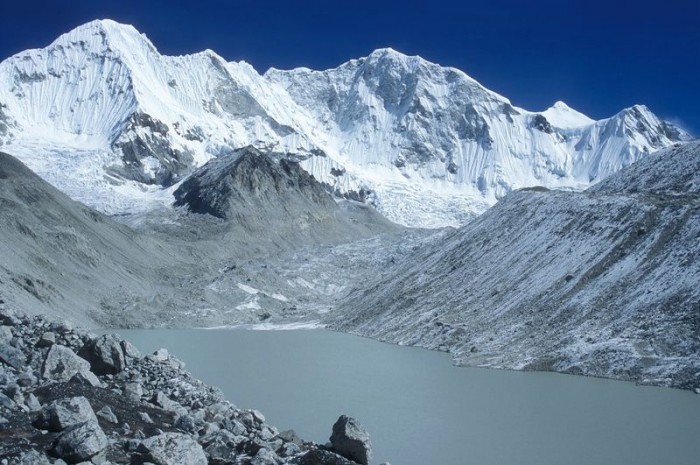
Route Map / Alt.
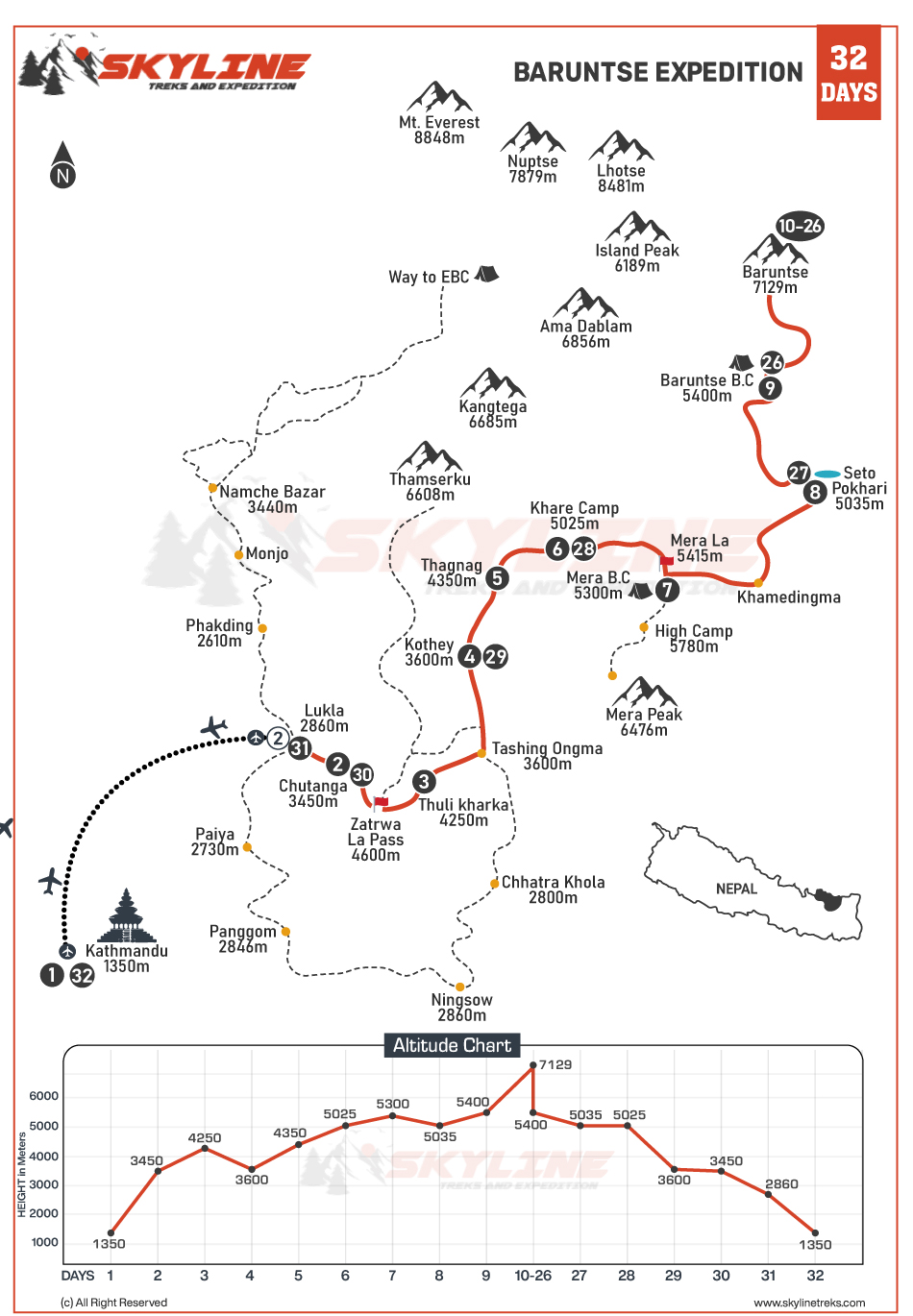 Route Map
Reviews
Baruntse Expedition
Baruntse is a fantastic choice for climbers looking to challenge themselves without being overwhelmed. It’s demanding but accessible, making it a great option for those ready to take the next step.
 Lena - Germany
Baruntse Expedition
Baruntse is a fantastic choice for climbers looking to challenge themselves without being overwhelmed. It’s demanding but accessible, making it a great option for those ready to take the next step.
Lena - GermanyFAQs
Can I climb Baruntse without a guide?
Climbing Baruntse without a guide is not possible.
Do I need a permit to climb Baruntse?
Yes, a permit is required to climb Baruntse. It can be obtained from the Nepal Mountaineering Association (NMA) and typically costs around $1,800 per person.
Do I need previous mountaineering experience to climb Baruntse?
Yes, climbing Baruntse requires previous mountaineering experience, especially at high altitudes. Participants should have experience with basic mountaineering skills such as using crampons and ice axes, roped travel, and crevasse rescue.
How high is Baruntse?
The peak of Baruntse is 7,129 meters (23,389 feet) above sea level.
How long does a typical Baruntse Expedition take?
A typical Baruntse Expedition takes around 30 days, including the trek to the base camp, acclimatization, and climbing to the summit.
How much does a Baruntse Expedition cost?
The cost of a Baruntse Expedition can vary depending on the guiding company, the level of support provided, and the length of the expedition. Typically, costs can range from $15,000 to $40,000 per person
What equipment do I need for a Baruntse Expedition?
Participants will need a range of mountaineering equipment, including climbing boots, crampons, ice axes, harnesses, helmets, ropes, and personal climbing gear. The exact equipment list will depend on the specific expedition and the recommendations of the guiding company.
What is a Baruntse Expedition?
A Baruntse Expedition is a guided climbing trip to the peak of Baruntse. It involves a combination of trekking, acclimatization, and technical climbing at high altitude..
What is Baruntse?
Baruntse is a mountain peak in the Himalayas located in Nepal. It is the 16th highest peak in Nepal and is part of the Mahalangur section of the Himalayas.
When is the best time to climb Baruntse?
The best time to climb Baruntse is during the spring (April to May) or autumn (October to November) seasons when the weather is stable and the skies are clear.
Package Customization for You